
Unique Facts About the 2002 World Cup
Discover a variety of unique facts about the 2002 World Cup. From Ronaldo’s eccentric haircut to South Korea’s controversial surprises.
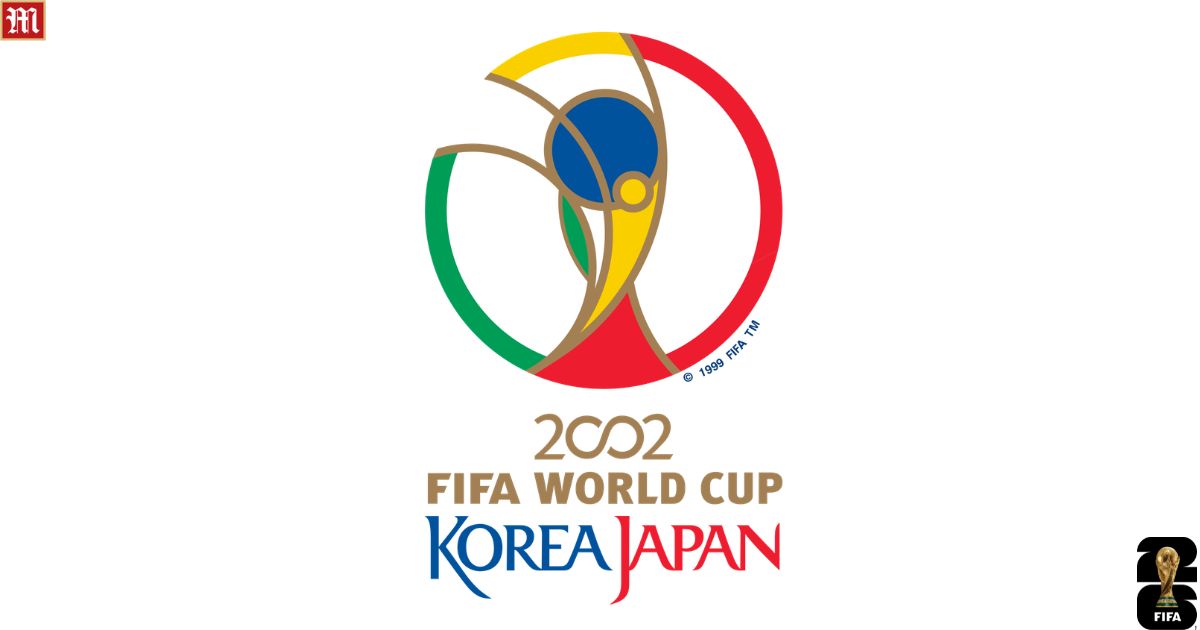
Unique Facts About the 2002 World Cup – m88worldcups.com – When discussing the grandest football competition in the world, the World Cup always holds fascinating stories that differ in every edition.
There is drama that drains emotions, unexpected surprises, and a series of iconic moments that remain a warm topic of conversation among football lovers to this day.
One of the editions considered the most memorable is the 2002 World Cup. This edition was not only special because it was held in Asia for the first time, but it was also filled with legendary events that remain attached to the collective memory of people around the world.
Let us examine in greater depth the unique facts about the 2002 World Cup that made this edition one of the most vibrant and colorful competitions in the history of international football.
9 Facts About the 2002 World Cup
1. Disruptive Hot Temperatures
One of the main obstacles that triggered complaints from many participants throughout the 2002 World Cup was the weather conditions.
This major tournament was held during the summer season in Japan and South Korea, where humidity and air temperatures could reach between 26 and 35 degrees Celsius.
Just imagine, players from Europe who were accustomed to competing in cool climates were forced to play in extreme conditions that drained energy very quickly.
These intense weather conditions were even considered one of the main factors behind the poor performances of several major teams.
The process of adapting to the tropical climate typical of Asia proved not to be an easy challenge to overcome, especially with the packed tournament schedule that gave players very little ideal time for physical recovery.
2. Unique Facts About the 2002 World Cup: Brazil’s Record as Kings of the World
When discussing unique facts about the 2002 World Cup, it certainly feels incomplete without including the success story of the Brazil national team.
The Seleção squad emerged as champions after ending Germany’s strong resistance in the final with a two-goal victory without reply.
That remarkable achievement became their fifth trophy, while further strengthening Brazil’s position as the country with the most World Cup titles in the world.
Ronaldo Nazário became the main hero thanks to his contribution of eight goals throughout the tournament, including his two beautiful goals in the final.
Together with Ronaldinho and Rivaldo, their attacking line became known as the “Three Rs,” a trio greatly feared by opposing defenses.
Those additional goals also allowed Ronaldo to equal the record of the legendary Pelé with a total of 12 goals throughout his appearances in the World Cup.
3. Ronaldo’s Unique Haircut
Aside from his spectacular goals, global public attention was also drawn to Ronaldo’s highly eccentric haircut, in which he left a patch of hair at the front of his head while the rest was shaved completely.
It was later revealed that the decision to choose that hairstyle was not merely a random act.
Ronaldo explained that he intentionally cut his hair that way to divert media attention so they would stop asking about the groin injury he suffered before the tournament began.
The result of that strategy proved highly effective.
Instead of discussing his physical condition, people were more occupied commenting on his new appearance.
As a positive outcome, Ronaldo was able to play without pressure, continued scoring goal after goal, and successfully led Brazil to the championship podium.
4. First Time Held in Asia
One of the important historical notes from the 2002 tournament was that for the first time in history, the world’s biggest football tournament was held outside the continents of America and Europe, specifically in Asia.
FIFA entrusted hosting responsibilities to East Asia, a strategic step considered a major breakthrough to expand the popularity and football industry into another part of the world.
This also proved that Asia had the capability to host a major event with high international standards.
5. Unique Facts About the 2002 World Cup: First Time Two Countries Became Hosts
In addition to setting a new record as the first World Cup held in Asia, the 2002 edition also became the first competition to be jointly organized by two countries as co-hosts.
Japan and South Korea shared responsibilities in managing the tournament.
As a consequence of this policy, three national teams automatically qualified for the final tournament without going through the qualification stage, namely France as the defending champions from the 1998 edition, as well as Japan and South Korea as the host nations.
This joint hosting format made the 2002 edition feel even more unique and had never been implemented before in World Cup history.
6. Increase in Squad Size to 23 Players
The 2002 edition was also marked by a fairly crucial regulatory amendment regarding player quotas.
For the first time, each participating team was allowed to register a total of 23 players in their squad.
In previous editions, the number of players allowed was limited to only 22.
From the total of 23 names, FIFA required at least three of them to be goalkeepers.
Although at first glance this appeared to be a minor adjustment, the new rule had a significant impact within teams.
With the addition of one extra player, coaching staff had greater flexibility in building tactical strategies on the field and anticipating the risk of injury crises during the tournament.
7. South Korea National Team Full of Controversy
One of the stories that triggered the most heated debate among the many unique facts about the 2002 World Cup was the journey of the South Korea national team.
The team, widely known as the Taeguk Warriors, made history as the first Asian representative to reach the semifinals of the World Cup.
Under the tactical guidance of coach Guus Hiddink, South Korea overturned many predictions by eliminating major European teams including Portugal, Italy, and Spain.
However, their success on the field was accompanied by a massive wave of controversy.
There were accusations from various parties who believed that refereeing decisions on the field tended to be one-sided and indicated unfairness, particularly in the crucial matches when South Korea defeated Italy and Spain.
Although surrounded by unresolved debate, South Korea’s achievement remains recorded as one of the most shocking surprises in the history of world football competition.
8. Unique Facts About the 2002 World Cup: Cafu’s Unforgettable Record
Cafu, who played as a right-back while also wearing the captain’s armband for Brazil, achieved a very rare and extraordinary accomplishment throughout the 2002 tournament.
He officially became the first footballer in history to appear in three consecutive World Cup finals, specifically in 1994, 1998, and 2002.
From those three appearances in the final, Cafu helped Brazil win the championship twice, namely in the 1994 edition in the United States and the 2002 edition in Asia.
This golden achievement permanently etched his name into the history books of world football, while also reinforcing his status as one of the greatest right-backs ever produced.
9. Oliver Kahn, the Goalkeeper Who Became a Star
Generally, the award for best player in a major tournament such as the World Cup is often dominated by productive forwards or creative midfielders.
However, in the 2002 edition, that pattern was broken by the brilliance of Oliver Kahn.
The German national team’s first-choice goalkeeper delivered an extraordinary performance throughout the competition with a series of crucial saves that became the key to leading Der Panzer to the final.
Although he conceded twice to Ronaldo in the final match, Kahn was still honored with the Golden Ball award as the best player of the tournament.
This made him the first goalkeeper in history to win the prestigious individual award, alongside his success in taking home the Yashin Award as the best goalkeeper of the tournament.
If we summarize everything overall, the number of unique facts about the 2002 World Cup is indeed extremely abundant and varied.
From the issue of hot weather conditions that drained players’ physical fitness, Ronaldo’s iconic hairstyle trend, South Korea’s controversial journey, to the remarkable achievements recorded by Oliver Kahn and Cafu, all of these stories succeeded in making this edition one that will never fade with time.
The 2002 World Cup was not merely about which country managed to lift the trophy at the end of the tournament, but also about the colorful surprises, dramatic tension, and collection of legendary moments that remain interesting to revisit even now.
For that reason, it is not surprising that this tournament is often referred to as one of the most fascinating editions in the history of world football.
In your own memory, which moment from the 2002 World Cup is considered the most unforgettable?
Latest Article