
7 Unique Facts About the 1998 World Cup
Take a look at various Unique Facts About the 1998 World Cup! From the mysterious drama of Ronaldo in the final to the birth of France as a new champion.
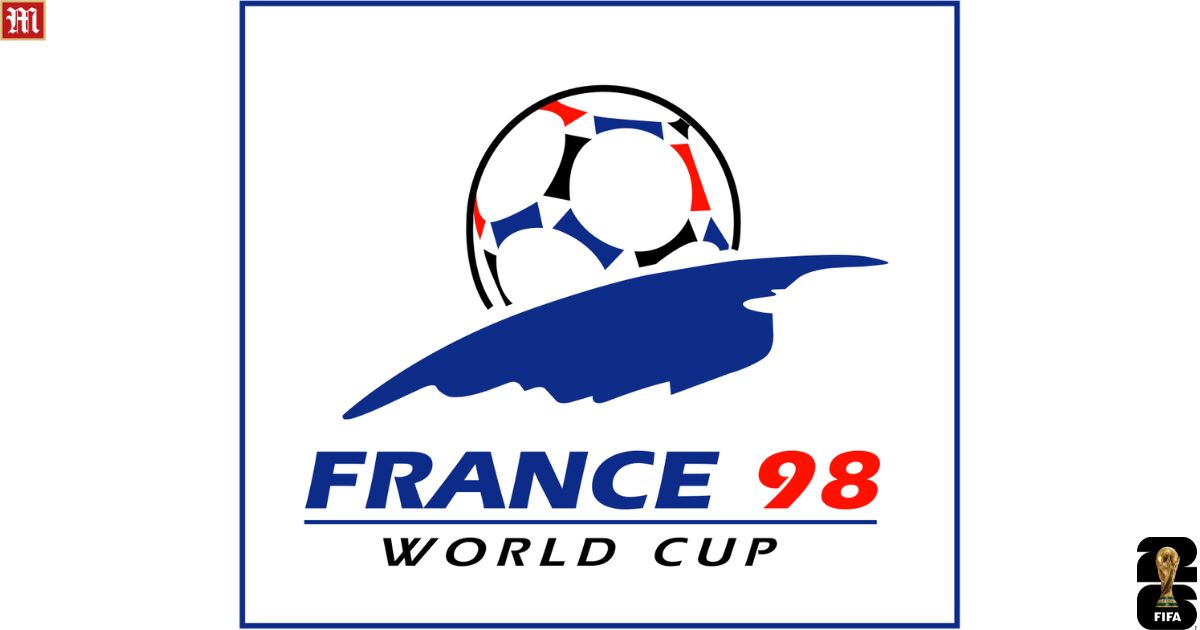
Unique Facts About the 1998 World Cup – m88worldcups.com – When discussing the World Cup competition, each edition certainly has a different storyline.
There are moments capable of bringing tears, there are decisions that trigger intense controversy, and not infrequently there are amusing incidents because they are considered very rare.
Well, one of the editions that was most filled with surprises was none other than the 1998 World Cup held in France.
This major football tournament was not only interesting because of the matter of who emerged as champion, but also became the starting point for the birth of various new regulations that changed the face of modern football.
Let us take a deeper look at the series of Unique Facts About the 1998 World Cup that made this edition of the tournament remain firmly embedded in the memory of football fans!
List of Unique Facts About the 1998 World Cup
1. Expansion of Participating Teams to 32 Nations
One of the crucial historical milestones created at the 1998 World Cup was the expansion of the quota of participating nations.
If in the previous edition, namely the 1994 World Cup in the United States, only 24 countries were involved, then the France 1998 edition officially increased the slots to feature 32 national teams.
This regulatory change automatically opened up wide opportunities for many other countries to experience the atmosphere of competing on the most prestigious stage, including the emergence of several debutant teams such as Croatia, Jamaica, and South Africa.
The implementation of this new format also successfully increased the intensity of the competition because even more surprises were delivered by non-favored teams with underdog status.
2. Unique Facts About the 1998 World Cup – Record for the Most Goals in a Single Edition
For lovers of attacking football that is pleasing to the eye, the 1998 World Cup was certainly a very satisfying spectacle.
Starting from the opening goal scored by Cesar Sampaio (Brazil) against Scotland to the closing goal by Emmanuel Petit (France) into Brazil’s net in the final, a total of 171 goals were recorded throughout the tournament.
That tally was immediately recognized as the highest goal record in World Cup history (sharing the place with the 2014 edition which also matched the total of 171 goals).
Equally fascinating, the French national team as host successfully emerged as the most productive team with a contribution of 15 goals. So, when discussing a festival of goals, the 1998 edition truly had no equal.
3. Golden Goal Rule Applied for the First Time
Another very important rule innovation introduced at the 1998 World Cup was the introduction of the golden goal system.
Through this regulation, if one team managed to break the deadlock by scoring during extra time, then the match would immediately end with victory for the scoring team.
Laurent Blanc of France became the first player whose name was recorded as the scorer of a golden goal in World Cup history, precisely when he found the net against Paraguay in the Round of 16.
This new rule briefly made the atmosphere of matches very dramatic and tense, although in the end the regulation was officially abolished by FIFA in 2004 because it was considered too cruel for the team that conceded.
4. Unique Facts About the 1998 World Cup: Electronic Board Used for the First Time
You are certainly very familiar with the electronic board used to indicate player substitutions or additional time information that is often raised by the assistant referee on the sideline, right?
Well, it was in the 1998 World Cup that this electronic board technology was introduced to the public for the first time.
In previous editions, the operational system of the board was still manual or simply used ordinary wooden boards with numbers written on them.
Although it appeared to be a simple update, this technological innovation proved successful in making the flow of matches much neater, more organized, and clearer, especially for spectators filling the stadium and audiences watching through television screens.
5. The Mystery of Ronaldo Falling Ill Before the Final
One of the most mysterious stories in world football history occurred before the final match of the 1998 World Cup.
Only a day before the crucial match against France began, Ronaldo, who held the status of Brazil’s superstar, was suddenly reported to have suffered severe convulsions in his hotel room until foam came out of his mouth.
Many speculations and conspiracy theories immediately spread widely: from claims that Ronaldo had epilepsy, suspicions of being poisoned by certain individuals, overdose from medication, to alleged mistakes in treatment by the national team’s medical staff.
What is certain is that Ronaldo was eventually still forced to play in that final match, but his performance on the field looked very weak and lacking energy.
The Brazil squad ultimately had to accept being defeated heavily 0-3 by France, which also became the most humiliating defeat for Selecao in a final before they were later beaten 1-7 by Germany in the 2014 edition.
The mystery surrounding Ronaldo’s physical condition continues to be the subject of heated debate to this day.
6. France Became a New Champion
Since entering the 1970 era, the throne of world football champion seemed to rotate only among the power axis of four major nations: Brazil, Germany, Italy, and Argentina.
However, at the 1998 World Cup, the French national team succeeded in breaking that dominance in a very elegant way.
Playing with full support from their own public as host, Les Bleus delivered a very fierce performance and successfully secured the world championship trophy for the first time in history after defeating Brazil by three goals without reply in the final.
Zinedine Zidane emerged as the hero of victory through his two beautiful goals scored with headers, while Emmanuel Petit perfected France’s celebration at Stade de France.
7. Unique Facts About the 1998 World Cup: Hooliganism and Supporters’ Violent Actions
Unfortunately, the excitement of the football celebration at the 1998 World Cup was also stained by violent actions carried out by hardline supporter groups commonly known as hooligans.
A group of England supporters triggered a large-scale riot in the city of Marseille shortly before the group-stage match against Tunisia began.
They got drunk, damaged various public facilities, and forced the police to detain hundreds of perpetrators.
Not stopping there, a very tragic bloody incident also broke out in the city of Lens when a French police officer named Daniel Nivel was brutally attacked by German supporters strongly suspected of being affiliated with Neo-Nazi groups.
As a result of the assault, Nivel fell into a coma for a long time and suffered permanent physical disability for the rest of his life.
FIFA authorities immediately stepped in to investigate the case, and even the German football federation eventually agreed to provide special compensation funds as a form of moral responsibility to the police officer.
When we look back together, the discussion surrounding the Unique Facts About the 1998 World Cup truly feels endless to explore.
Starting from the implementation of new regulations, the abundant goal records, the birth of a new champion, to the medical drama involving Ronaldo in the final, the entire series of events successfully made this edition feel highly memorable and iconic.
This tournament was not merely about the race for the football trophy, but also became a stage of major transformation that led the World Cup industry toward a much more modern direction.
Although it was marked by dark notes due to hooligan violence, the 1998 World Cup will still hold a special place as one of the most frequently remembered tournaments in international football history.
Now, if you were asked to choose one event, which moment from the 1998 World Cup do you consider the most memorable and difficult to forget?
Latest Article