
The Ultimate Guide to the FIFA Club World Cup: Evolution of Global Football
There is one tournament that aims to settle the debate of who truly rules the planet: the fifa club world cup.
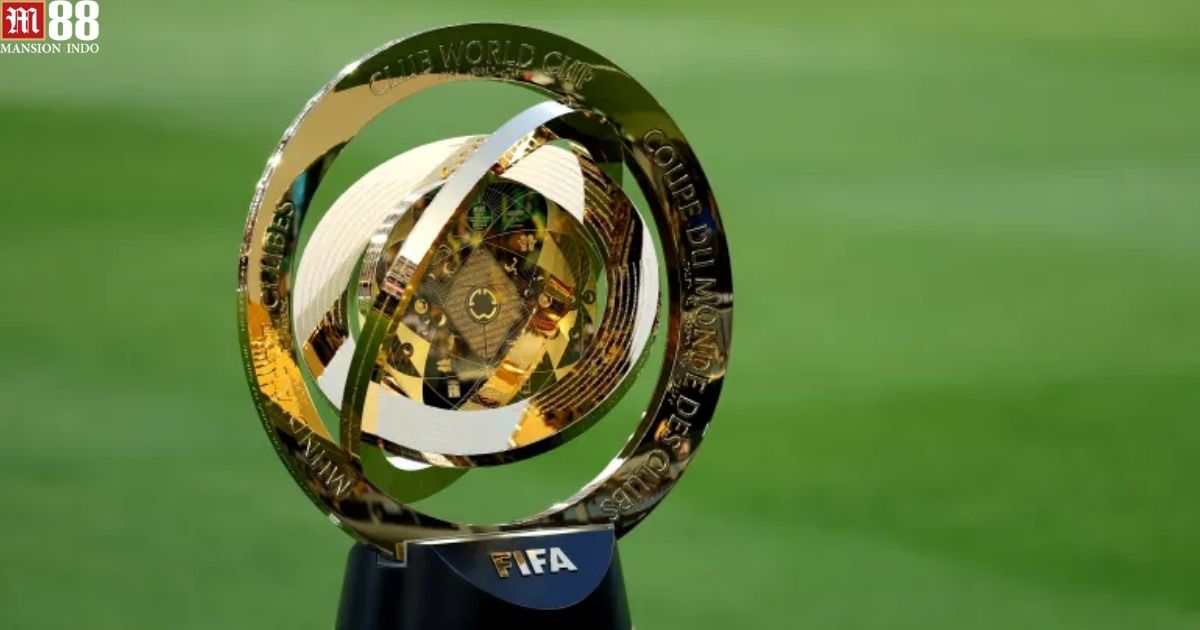
m88worldcups.com – The landscape of professional football is shifting. For decades, the pinnacle of the sport was undeniably the FIFA World Cup for national teams, but in recent years, the club game has arguably overtaken it in terms of week-to-week intensity, financial investment, and tactical sophistication.
While the UEFA Champions League is often cited as the gold standard of quality, there is one tournament that aims to settle the debate of who truly rules the planet: the fifa club world cup.
This tournament represents the bridge between different footballing cultures. It is the only stage where the tactical discipline of Europe meets the raw passion of South America, the rising technical prowess of Asia, and the physical dynamism of Africa and North America. As the competition prepares for its most massive expansion in history, there has never been a more exciting time to dive into what makes this trophy so coveted and how its transformation will change the sport forever.
The Origins and History of the Global Crown
Before we had the modern version of the tournament, the world’s best clubs met in a much more localized affair known as the Intercontinental Cup. Established in 1960, this was a two-legged (later single-match) face-off between the winners of the European Cup and the Copa Libertadores. It was a gritty, often fierce battle for bragging rights between Europe and South America.
However, football is a global game, and by the turn of the millennium, FIFA realized that limiting the world title to just two continents was no longer sustainable. The inaugural FIFA Club World Cup took place in Brazil in 2000, featuring teams from all six confederations. After a brief hiatus due to logistical issues, the tournament returned permanently in 2005, replacing the Intercontinental Cup for good. Since then, it has traveled from Japan and the United Arab Emirates to Morocco and Qatar, crowning a global king every single year.
How the Current Tournament Works
In its most recent format, the competition has functioned as a knockout tournament featuring seven teams. These participants include the champions from the six continental confederations:
AFC (Asia)
CAF (Africa)
CONCACAF (North and Central America, Caribbean)
CONMEBOL (South America)
OFC (Oceania)
UEFA (Europe)
Additionally, the national champions of the host country receive a slot. The format has traditionally given a "bye" to the European and South American champions, seeding them directly into the semi-finals. While this has often led to a UEFA vs. CONMEBOL final, the gap is closing. We have seen massive upsets over the years, with teams like TP Mazembe, Raja Casablanca, and Al-Ain reaching the final and proving that footballing giants can be toppled on any given night.
The 2025 Revolution: A New Era for the FIFA Club World Cup
The biggest talking point in the football world right now is the massive expansion of the fifa club world cup scheduled for 2025. FIFA has decided to transform the annual seven-team event into a quadrennial 32-team extravaganza. This change moves the tournament into a format similar to the traditional World Cup, featuring a group stage followed by knockout rounds.
This expansion is a game-changer for several reasons. First, it allows for more representation from every corner of the globe. Second, it creates a "Super Tournament" environment that fans usually only get to experience during international breaks. By bringing together 12 teams from Europe, 6 from South America, and 4 each from Asia, Africa, and North America, FIFA is creating a spectacle that intends to rival the Champions League in prestige and viewership.
Why the FIFA Club World Cup Matters to Players and Fans
Critics sometimes argue that the schedule is too crowded, but for the players, the chance to wear the "World Champions" badge on their jersey for a full year is a massive motivator. If you look at the celebrations of teams like Real Madrid, Bayern Munich, or Chelsea after winning the title, the joy is palpable.
For fans, the fifa club world cup offers matchups we rarely see. Where else can you see the champions of the Mexican Liga MX test their mettle against a top-tier Premier League side in a competitive setting? It is a celebration of different styles. You get to see the tactical flexibility of Asian clubs, the legendary defensive organization of South American giants, and the sheer star power of European elites all in one place.
The Tactical Diversity of Global Club Football
One of the most fascinating aspects of the fifa club world cup is the clash of philosophies. In European domestic leagues, there is a heavy emphasis on high-pressing and positional play. However, when these teams face opponents from other continents, they often encounter "low blocks" or "counter-attacking" styles they aren't used to seeing in their local leagues.
South American teams, for instance, often treat this tournament as the single most important event in their club's history. They bring a level of intensity and "garra" (grit) that can catch European superstars off guard. This cultural exchange of footballing ideas is what makes the tournament a unique laboratory for the sport's evolution.
Financial Impact and Global Growth
Beyond the pitch, the fifa club world cup is a juggernaut for global branding. For a club from the AFC or CAF, playing against a global brand like Manchester City or Flamengo provides exposure that is worth millions in sponsorship and scouting opportunities. It puts players in the shop window for the world's biggest scouts and allows smaller clubs to reinvest tournament earnings into their academies and infrastructure.
As the tournament moves to the United States for its first expanded edition, the commercial potential is staggering. With increased broadcasting rights and ticket sales, the revenue generated will likely trickle down to help develop football in emerging nations, fulfilling FIFA’s mission to make football truly global.
Common Misconceptions About the Trophy
There is a lingering myth that European teams don't take the fifa club world cup seriously. While it's true that the domestic league and the Champions League are primary goals, no elite club wants to lose a world final. The "World Champion" status is a permanent mark of excellence in a club’s history books. Furthermore, the financial rewards and the prestige associated with being the best in the world mean that modern managers almost always field their strongest possible lineups in the final stages.
The Future of the Competition
Looking ahead, the fifa club world cup is set to become one of the most-watched sporting events on the planet. By moving to a four-year cycle for the expanded version, FIFA is creating a sense of scarcity and "event" status that the annual version sometimes lacked. It will become the ultimate test of a club's consistency and depth over a multi-year period.
We can expect to see more investment from clubs in North America and the Middle East as they strive to not just participate, but to actually win the trophy. The era of European dominance is being challenged by the rapid rise of professional leagues globally, and this tournament is the primary battlefield for that transition.
Conclusion
The fifa club world cup is more than just a trophy; it is a testament to how far football has come as a universal language. From its humble beginnings as a cross-continental challenge to its future as a 32-team global spectacle, the tournament continues to capture the imagination of anyone who loves the beautiful game. Whether you are a die-hard supporter of a European powerhouse or a fan of a rising club in Asia or Africa, this competition provides the ultimate stage to dream big.
Latest Article