
The Road to 2026: Analyzing the FIFA World Cup Asian Qualifiers Standings
Stay updated with the latest FIFA World Cup Asian Qualifiers Standings. Learn about the qualified teams, the intense playoff rounds, and the journey to the 2026 finals in North America.
m88worldcups.com – The journey to the FIFA World Cup has always been a marathon, but for the nations in the Asian Football Confederation (AFC), the road to the 2026 finals in Canada, Mexico, and the United States has been more like an epic odyssey. With the expansion of the World Cup to 48 teams, Asia has seen its direct slots increase to eight, plus an additional potential spot via the inter-confederation playoffs. This shift has completely transformed the energy of the competition, making every matchday a high-stakes drama that keeps millions of fans glued to the FIFA World Cup Asian Qualifiers Standings.
We are currently at a fascinating juncture in the qualification cycle. The traditional powerhouses have largely asserted their dominance, but the expanded format has opened doors for emerging nations to dream bigger than ever before. From the snowy pitches of Central Asia to the humid stadiums of Southeast Asia, the continent has witnessed tactical masterclasses, heartbreaking upsets, and moments of pure individual brilliance. Let us dive into the details of how the standings have shaped up and which teams are officially packing their bags for North America.
The Direct Qualifiers: Asia Elite Eight
The Third Round of the qualifiers was where the wheat was truly separated from the chaff. Eighteen teams were divided into three groups of six, with the top two teams from each group securing an immediate ticket to the 2026 showpiece. Following the intense competition in 2025, the FIFA World Cup Asian Qualifiers Standings confirmed that the continent's heavyweights are ready for the world stage.
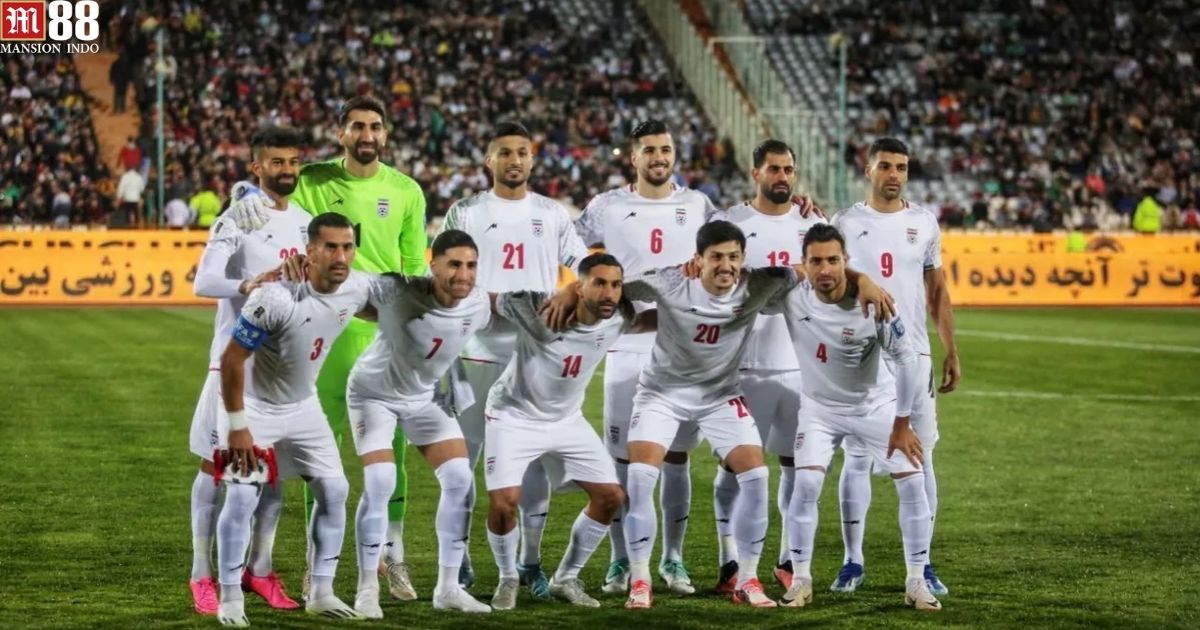
In Group A, Iran and Uzbekistan proved to be a class apart. Iran’s consistent offensive output and Uzbekistan’s disciplined defensive structure allowed them to pull away from the likes of Qatar and the UAE. For Uzbekistan, this qualification represents a historic milestone, finally breaking through a glass ceiling that has haunted them for decades.
Group B saw South Korea and Jordan dominate. The South Koreans, led by their global superstars, showcased why they are a perennial force in Asian football. Meanwhile, Jordan continued their incredible momentum from the most recent Asian Cup, proving that their rise to the top tier of the continent is no fluke.
In Group C, Japan and Australia secured the top two spots. Japan’s technical proficiency was on full display as they topped the group with a staggering goal difference. Australia, after some early-round jitters, found their rhythm and secured their place in what will be their sixth consecutive World Cup appearance.
The Drama of the Fourth Round Playoffs
While the top six teams celebrated early qualification, the journey was far from over for those finishing third and fourth in their respective groups. The Fourth Round, or the Asian Playoff, featured six teams divided into two groups of three. This phase was all about redemption, and the FIFA World Cup Asian Qualifiers Standings during this round were incredibly volatile.
Qatar and Saudi Arabia, both of whom had surprisingly missed out on direct qualification in the Third Round, found themselves fighting for survival. In Group A of the playoffs, Qatar managed to overcome the United Arab Emirates and Oman in a centralized venue battle. Their experience as 2022 hosts seemed to give them the mental edge needed to navigate these high-pressure, short-format games.
In Group B, Saudi Arabia faced a resilient Iraq and a spirited Indonesia. The Green Falcons eventually topped the group, securing Asia's eighth direct slot. This meant that Iraq, finishing second in the playoff group, moved on to the Fifth Round for one last shot at glory through the inter-confederation route.
The Dark Horses and Heartbreaks
Every qualification cycle has its fair share of "what if" stories. Indonesia, under their revamped coaching staff and the inclusion of several high-profile diaspora players, made significant waves. While they didn't secure a direct spot, their presence in the later rounds shifted the perception of Southeast Asian football. Their position in the FIFA World Cup Asian Qualifiers Standings throughout the cycle was a source of immense national pride and showed that they are no longer just a "developing" side.
On the other hand, the standings also told a story of struggle for traditional contenders. Teams like Bahrain and China found it difficult to keep pace with the rapidly evolving tactical standards of the top eight. For these nations, the focus now shifts to the 2027 Asian Cup as they look to rebuild and learn from the grueling 2026 qualification cycle.
Tactical Trends Across the Continent
Observing the FIFA World Cup Asian Qualifiers Standings reveals more than just points and goal differences; it highlights the tactical evolution of Asian football. We have seen a significant shift toward high-pressing systems and a greater emphasis on athletic transitions. Gone are the days when Asian teams were solely reliant on defensive "park-the-bus" tactics when facing the big guns.
Nations like Jordan and Uzbekistan have adopted modern European-style tactical flexibility, allowing them to compete on equal footing with teams like Japan and Australia. This tactical maturation across the AFC is a clear indicator that Asian teams will not just be there to make up the numbers in 2026; they are going there to win games and reach the knockout stages.
Looking Ahead to the Inter-Confederation Playoffs
With the direct slots filled, the final chapter of Asia's journey involves Iraq's participation in the FIFA Play-Off Tournament. This final hurdle involves six teams from different confederations fighting for the last two spots in the 48-team field. Iraq's performance in the previous rounds suggests they have the grit to succeed, but the variety of playing styles they will face—from South American flair to African physicality—will be the ultimate test.
Fans will be keeping a close eye on these final brackets as they represent the last chance for the AFC to potentially send a record-breaking ninth team to the World Cup. The anticipation is palpable, and the support from the Middle East for the Lions of Mesopotamia is expected to be massive.
A New Chapter for Asian Football
As the dust settles on the regional qualifiers, it is clear that Asian football has entered a new golden age. The expansion of the World Cup has not diluted the quality; instead, it has intensified the competition by giving more teams a realistic path to the world stage. The FIFA World Cup Asian Qualifiers Standings reflect a continent that is growing in confidence, skill, and strategic depth.
The road to North America has been long and full of surprises, but the eight (and potentially nine) teams that represent Asia will carry the hopes of an entire continent. From the veteran squads looking for one last run at glory to the debutants ready to make their mark, the 2026 World Cup promises to be a landmark event for the AFC.
Whether you are a supporter of the Samurai Blue, the Taegeuk Warriors, or a fan of a rising underdog, the journey through the standings has been an unforgettable ride. Now, the world waits to see how these Asian giants will perform when they finally step onto the biggest stage of them all in the summer of 2026.
Latest Article