
List of FIFA World Cup Champions Throughout History
From Uruguay in 1930 to the most recent champions Argentina in 2022, below is the list of FIFA World Cup winners throughout history.

m88worldcups.com – The FIFA World Cup is not merely an ordinary football competition, but a grand stage where great nations compete in tactics, talent, and prestige.
This tournament has always been the most anticipated moment for football fans around the world, as it is not only about lifting a trophy, but also about history, memorable stories, and national pride.
From the eras of Pelé and Maradona to Lionel Messi, the World Cup has consistently produced stories that are difficult to forget.
The World Cup as the Most Prestigious Football Tournament
Since it was first held in Uruguay in 1930, the World Cup has evolved into the largest sporting celebration on the planet.
In the 2022 edition alone, approximately 3.4 million spectators attended matches directly in the stadiums. This figure does not include the billions of viewers who watched through television broadcasts or personal devices.
According to Nielsen data, there were more than 93 million social media posts related to the 2022 World Cup, generating nearly 6 billion total interactions.
These extraordinary numbers reflect the immense appeal of national teams and star players who consistently make history.
Eight Nations That Have Lifted the World Cup Trophy
To date, only eight nations have experienced becoming world champions. These countries have become symbols of footballing power in their respective eras.
Brazil, for example, with five titles, has proven that football has become an integral part of their national identity.
Below is the historical journey of nations that have succeeded in claiming the most prestigious trophy in world football.
Complete List of FIFA World Cup Champions
1930 to 1950: The Early Era and the Birth of Legends
1930 – Uruguay: Became the first host nation and the inaugural champions of the tournament.
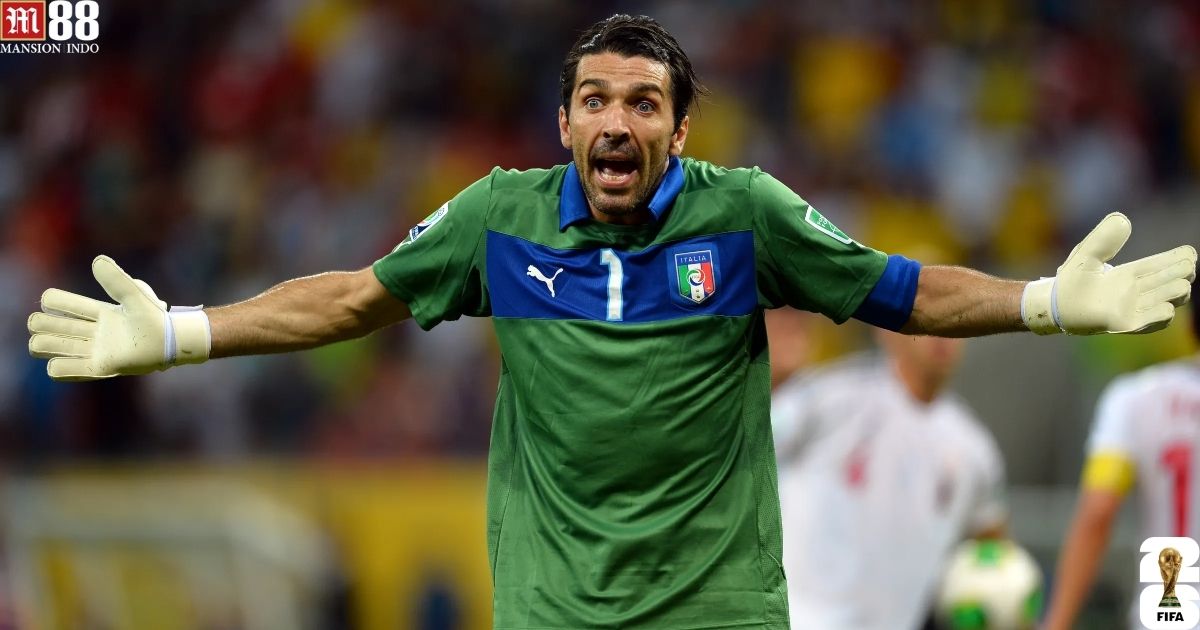
1934 – Italy: Italy emerged as a new force from Europe.
1938 – Italy: Italy became the first team to successfully defend their world title.
1950 – Uruguay: Claimed their second title after defeating Brazil in front of the host nation’s supporters in a highly iconic match.
1954 to 1970: The Beginning of German and Brazilian Dominance
1954 – West Germany: Produced a major upset by defeating Hungary in what became known as the Miracle of Bern.
1958 – Brazil: Brazil secured their first title, marking the global emergence of a young star named Pelé.
1962 – Brazil: Successfully defended their title, becoming the second team to achieve this feat.
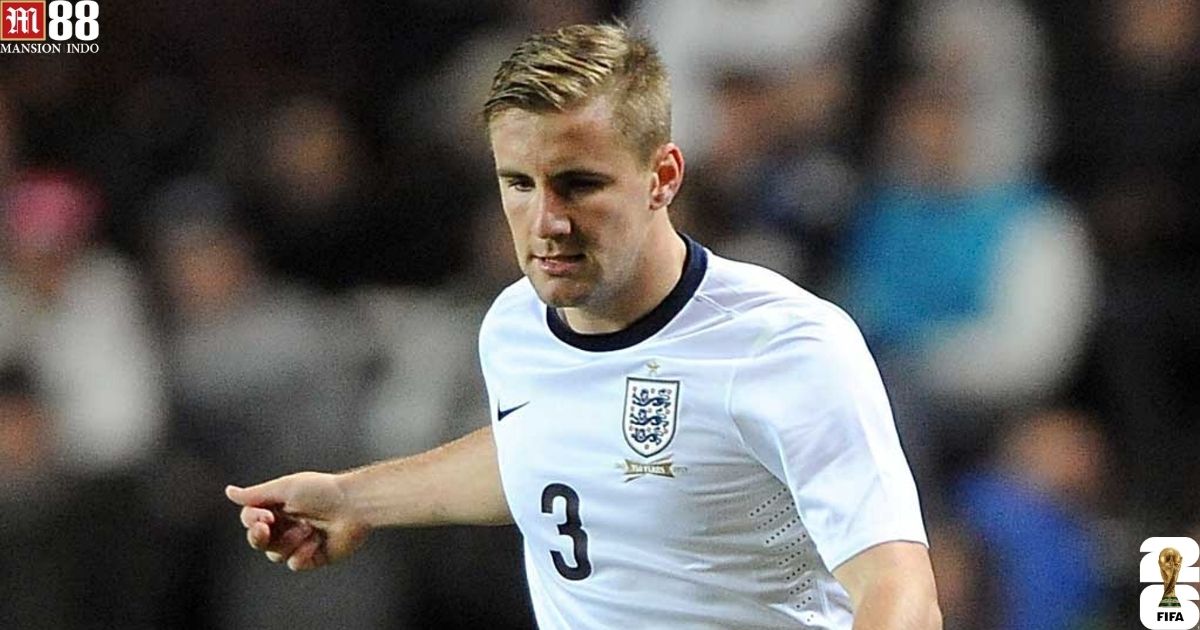
1966 – England: Won the tournament on home soil, which remains their only World Cup title to date.
1970 – Brazil: Secured their third title, earning the right to permanently keep the Jules Rimet Trophy.
1974 to 1990: The Era of Germany and Argentina
1974 – West Germany: Defeated the Netherlands in a final that showcased two contrasting football philosophies.
1978 – Argentina: Won the World Cup on home soil, with Mario Kempes as the tournament’s standout player.
1982 – Italy: Paolo Rossi delivered an outstanding performance and became the hero of Italy’s campaign.
1986 – Argentina: Marked the golden era of Diego Maradona, highlighted by the Hand of God goal and legendary individual brilliance.
1990 – West Germany: Gained revenge over Argentina after losing to them in the previous final.
1994 to 2010: Global Expansion and the Rise of New Champions
1994 – Brazil: Claimed the title after a dramatic penalty shootout victory over Italy in the final.
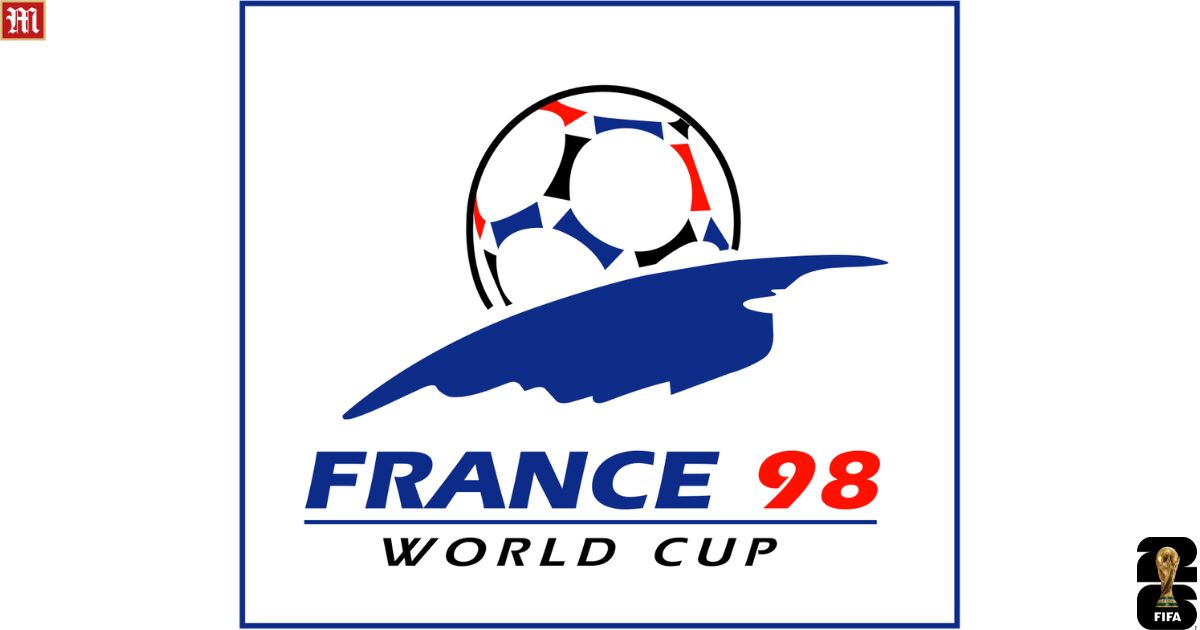
1998 – France: Secured their first World Cup title on home soil, led by the exceptional performances of Zinedine Zidane.
2002 – Brazil: Returned to glory in Asia through the lethal partnership of Ronaldo and Rivaldo.
2006 – Italy: Defeated France in a final remembered for Zinedine Zidane’s red card incident.
2010 – Spain: Dominated world football with their tiki-taka style, as Andrés Iniesta scored the decisive goal in the final.
2014 to 2022: A New Power and the Perfect Farewell of a Legend
2014 – Germany: Won the final against Argentina with a dramatic extra-time goal by Mario Götze.
2018 – France: A young French generation led by Kylian Mbappé displayed efficiency and dominance throughout the tournament.
2022 – Argentina: An emotional triumph for Lionel Messi, who finally lifted the World Cup trophy.
Brazil Remain at the Top Amid Fierce Competition
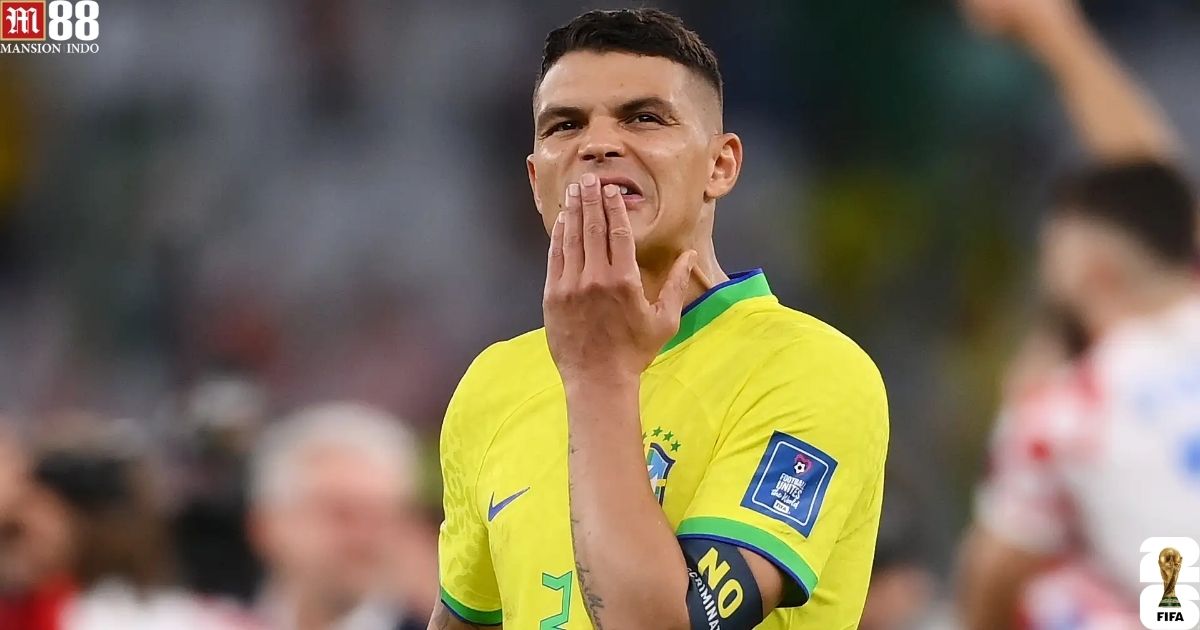
Among all champion nations, Brazil remain the most successful with a total of five titles. They are renowned for their attractive style of play and their consistent production of world-class players, from Pelé to Neymar.
Italy and Germany have each won four titles, followed by Argentina with three. France and Uruguay have each secured two titles, while England and Spain have won the tournament once.
This demonstrates that despite periods of dominance, the FIFA World Cup has always remained fiercely competitive and full of surprises.
Lessons from the History of World Cup Champions
From this list of champions, it is evident how football has continuously evolved, from the physical European style to the technical brilliance of South America and the modern tactical approaches of today.
The World Cup is not merely a tournament, but a historical stage filled with struggle, emotion, and the beauty of sport.
Each edition delivers new stories, whether through spectacular goals, unexpected underdog performances, or moments of joy and heartbreak for players and supporters alike.
The history of World Cup champions will continue to grow, and the world will once again witness the next chapter in this legendary tournament.
Latest Article