

2014 World Cup Stadiums
Explore the 12 iconic stadiums of the 2014 World Cup in Brazil, from the magnificent Maracanã to the Arena da Amazônia.
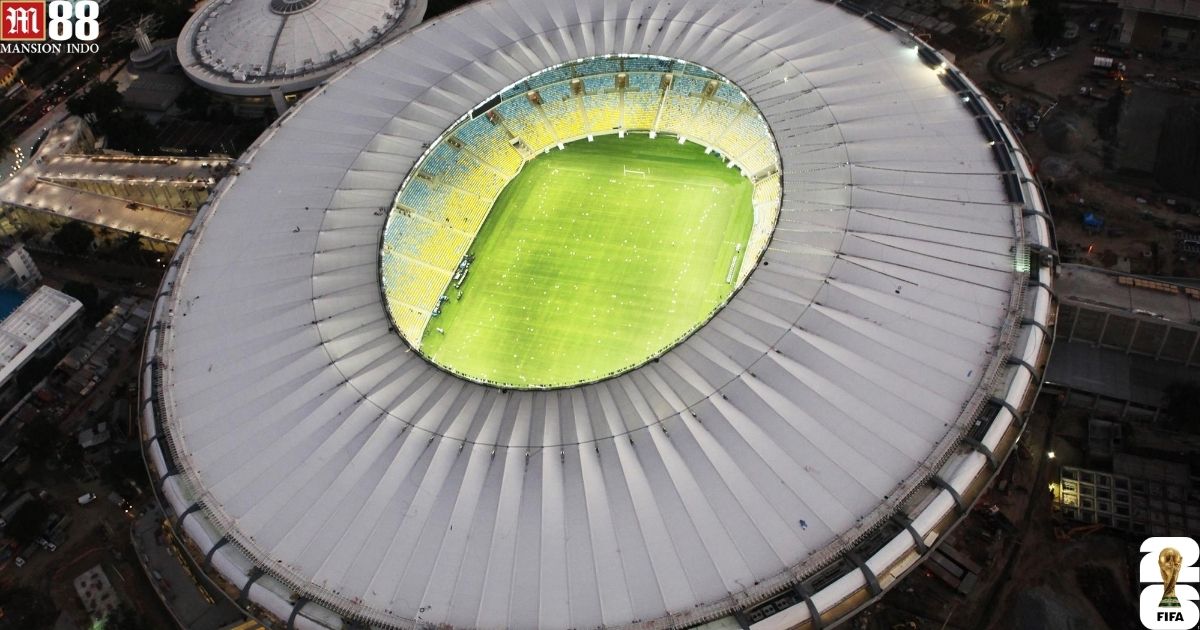
2014 World Cup Stadiums – m88worldcups.com – The 2026 World Cup will soon be held across three countries: the United States, Canada, and Mexico.
This biggest football celebration held every four years always becomes the center of attention, not only because the tournament brings together football stars who deliver thrilling drama and action, but also because it showcases the grandeur of the stadiums where these players compete to become champions.
To refresh our memories and as a warm-up before heading into the 2026 World Cup, it is interesting to revisit the stadiums used in the 2014 World Cup.
Without further delay, let us discuss one by one the stadiums used in the most prestigious football tournament in the world.
List of 2014 World Cup Stadiums in Brazil
1. Estádio do Maracanã
When discussing stadiums in Brazil, it would be incomplete without mentioning the iconic Estádio do Maracanã in Rio de Janeiro.
This stadium is a global football icon with a capacity of more than 74,000 spectators, and during the 2014 World Cup, Maracanã hosted several major matches, including the final between Germany and Argentina.
The stadium also has a long history since it was built for the 1950 World Cup, and before the 2014 tournament, major renovations were carried out, making it more modern while still preserving its classic aura.
2. Estádio Nacional
Next is Estádio Nacional, located in Brazil’s capital, Brasília, with a capacity of nearly 70,000 spectators.
Its design is unique, featuring tall circular pillars that not only make the stadium look grand but also futuristic.
For your information, Estádio Nacional was one of the most expensive stadiums built for the 2014 World Cup.
Many important matches were held here, including group stage games and quarter-finals. For the people of Brazil, this stadium is a symbol of national pride.
3. Arena Corinthians (Arena de São Paulo)
Arena Corinthians in São Paulo has a capacity of around 63,000 spectators. This stadium is also known as Arena de São Paulo and was one of the busiest venues during the tournament.
What makes this stadium special is its role as the venue for the opening of the World Cup. Thousands of spectators around the world watched the grand ceremony from here before the opening match began.
In addition, this arena is also the home ground of Corinthians, one of the most popular and successful clubs in Brazil.
4. Estádio Castelão
With a capacity of more than 60,000 spectators, Estádio Castelão in Fortaleza is one of the largest stadiums in the tournament.
Its location near the beach gives the matches a strong tropical atmosphere.
This stadium hosted several major matches, including the quarter-final between host nation Brazil and Colombia.
5. Estádio Mineirão
Estádio Mineirão in Belo Horizonte has a capacity of around 58,000 spectators. This stadium witnessed one of the most shocking matches in World Cup history, Brazil’s 1–7 defeat to Germany in the semi-final.
For the people of Brazil, that moment was deeply painful, but in global football history, Mineirão stands as a symbol that football is full of surprises.
6. Arena Fonte Nova
Next in the list is Arena Fonte Nova, which has a capacity of more than 51,000 spectators.
This stadium features a curved design with stands that provide an intimate viewing experience, making spectators feel very close to the pitch.
In addition to hosting group stage matches, the stadium is also well known for its vibrant atmosphere, as fans from Brazil and other teams created a lively environment.
7. Estádio Beira-Rio
This stadium, located in Porto Alegre, has a capacity of around 43,000 spectators. Its location near the Guaíba River creates a beautiful surrounding view.
Due to its proximity to the river, the stadium is often referred to as “Gigante do Beira-Rio,” meaning Giant on the Riverbank, by local residents and serves as the home ground of Internacional.
Renovations were carried out ahead of the World Cup, making the stadium more modern without losing its classic character.
8. Arena Pernambuco
Arena Pernambuco in Recife has a capacity of around 42,000 spectators. This stadium was built specifically for the World Cup and became one of the most modern venues.
In addition to football, the stadium is also frequently used for concerts and other major events. Its location in the metropolitan area of Recife made it a focal point during the tournament.
9. Arena Pantanal
Next is Arena Pantanal, built in the city of Cuiabá with a capacity of around 41,000 spectators.
This stadium is unique because of its location near tropical forests, earning it the nickname “Green Stadium.”
Its design emphasizes environmental friendliness by using recyclable materials. The natural atmosphere is strongly reflected, in line with the identity of the region.
10. Arena da Amazônia
Arena da Amazônia is one of the most exotic stadiums in the World Cup, with a capacity of around 40,500 spectators, located in the middle of the tropical rainforest in the city of Manaus.
The stadium is designed to resemble the woven pattern of traditional Amazonian baskets. The high temperatures and humidity presented unique challenges for players competing there.
11. Arena das Dunas
Arena das Dunas in Natal has a capacity of nearly 40,000 spectators. Its design is inspired by sand dunes, which are characteristic of the city of Natal.
The stadium was used for several group stage matches and consistently created a lively atmosphere thanks to enthusiastic supporters. Its modern design is also a major attraction.
12. Arena da Baixada
Arena da Baixada is located in Curitiba with a capacity of around 39,600 spectators. This stadium had already existed for a long time but underwent major renovations ahead of the tournament to meet FIFA standards.
This arena is known for its highly modern facilities, including a retractable roof. Additionally, its location in Curitiba makes it one of the favorite venues for many fans.
Closing
These are the stadiums of the 2014 World Cup, referring to the venues used during the 2014 World Cup in Brazil.
From the legendary Maracanã to the exotic Arena da Amazônia in the middle of the forest, all of these stadiums have their own unique stories.
The tournament in Brazil was not only about the matches on the field, but also about how these stadiums became witnesses to enduring history.
If asked to choose, which stadium would you most like to visit? Maracanã with its global aura, or Arena da Amazônia with its unique setting in the wild?
Latest Article